Skull and Bones Secret Society
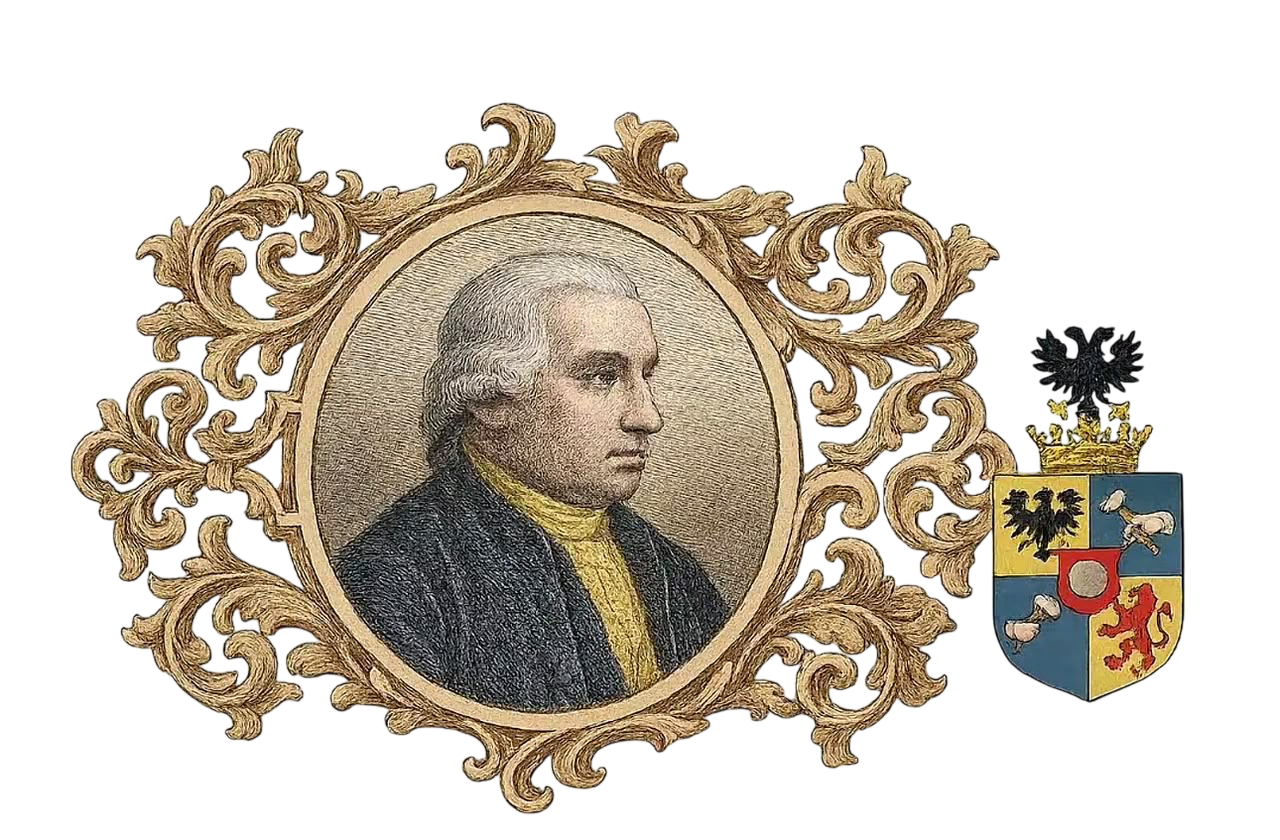
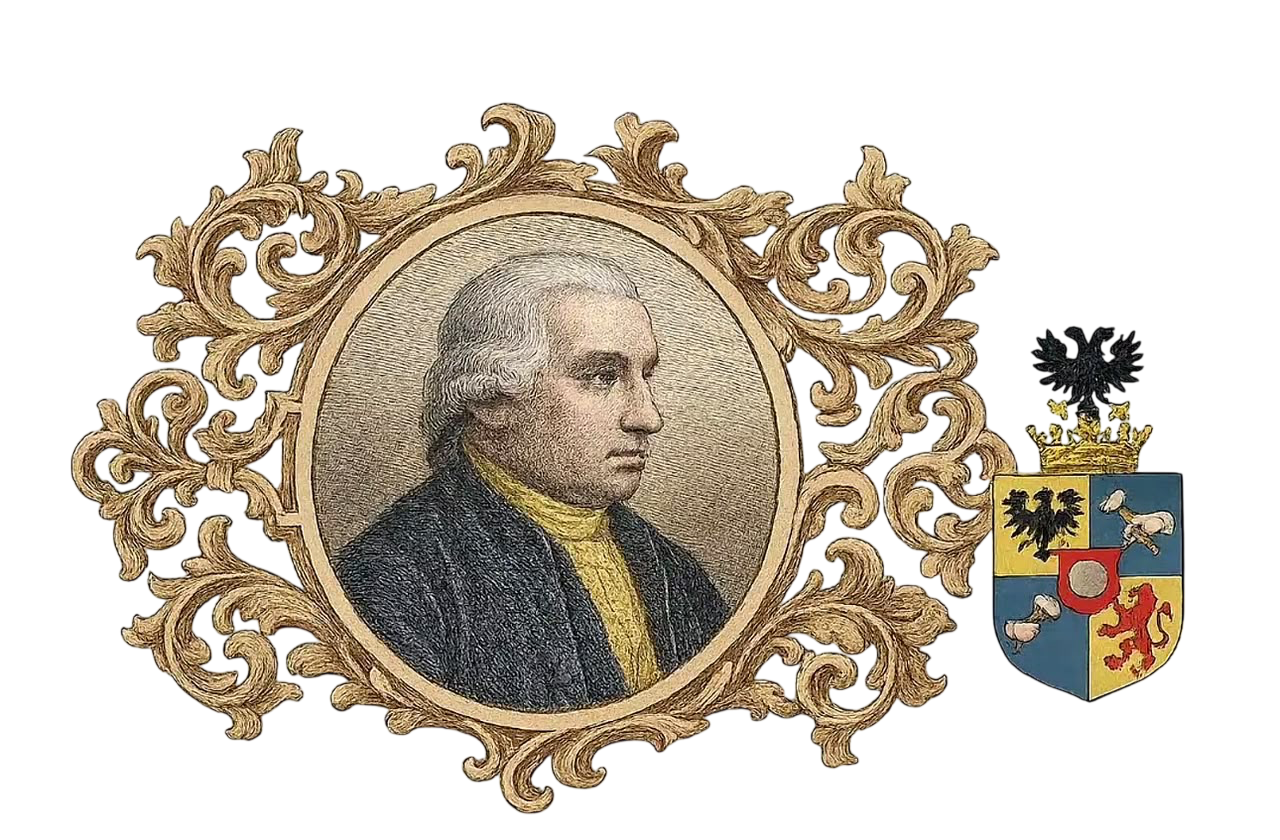
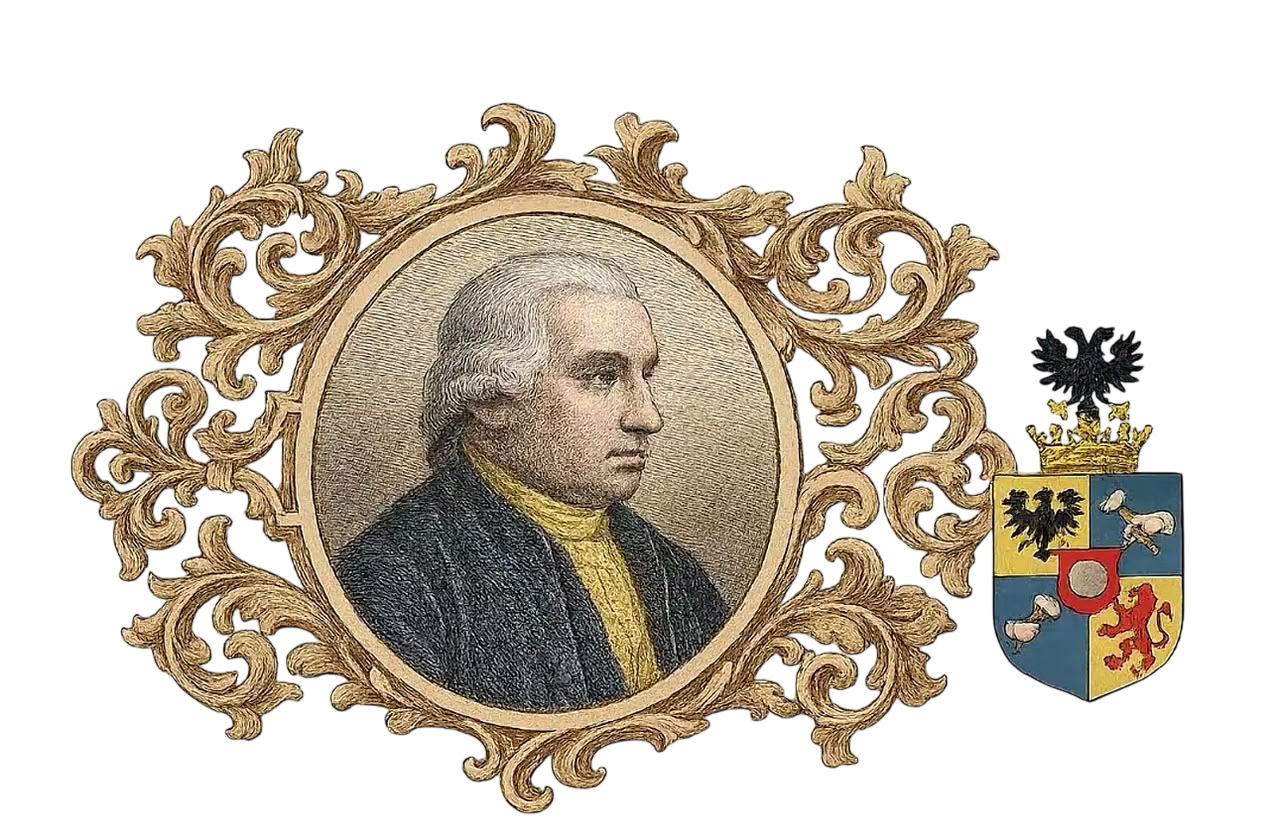
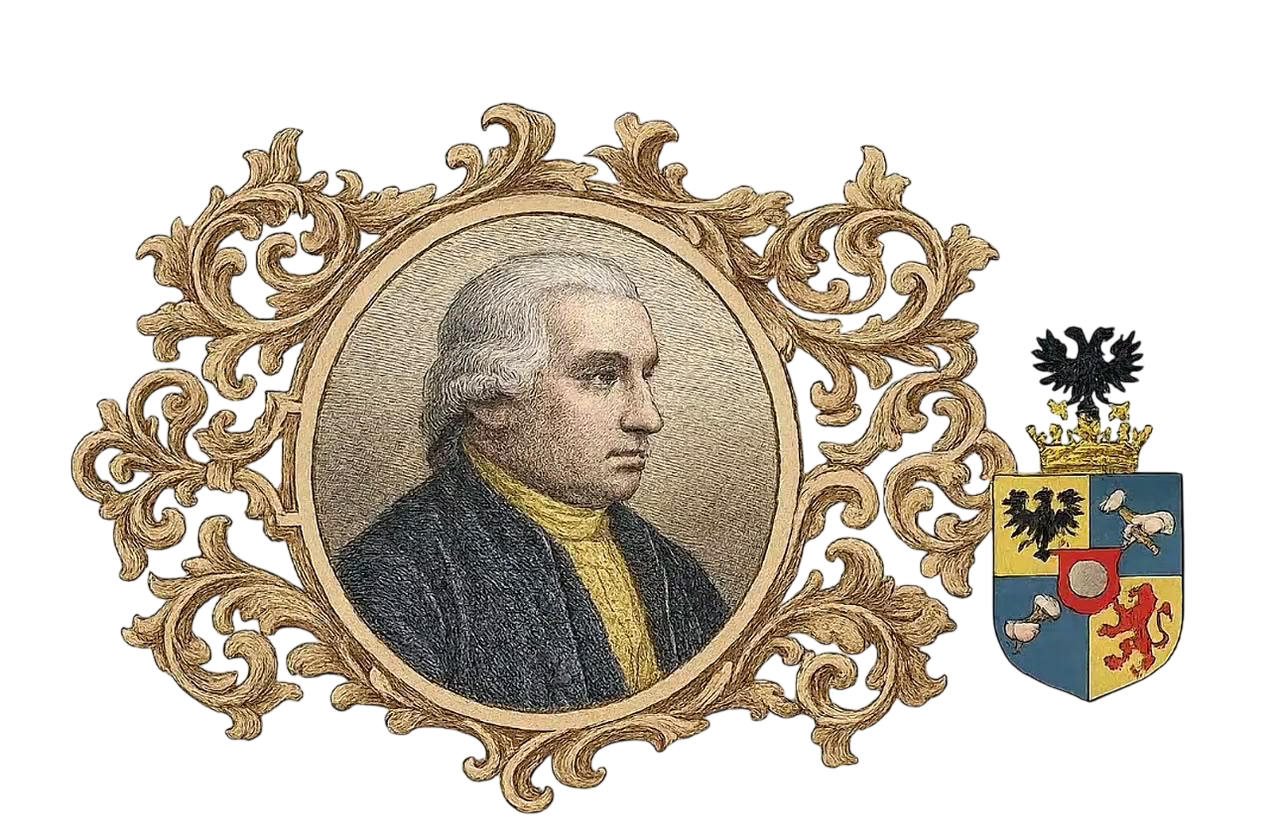
Skull and Bones, also known as The Order, Order 322, or the Brotherhood of Death, is an American undergraduate senior society at Yale University in New Haven, Connecticut. Established in 1832, it is the oldest senior-class society at the university and is regarded as one of Yale's prominent senior societies. Its distinguished alumni, private traditions, and long history have attracted public attention and inspired numerous conspiracy theories.
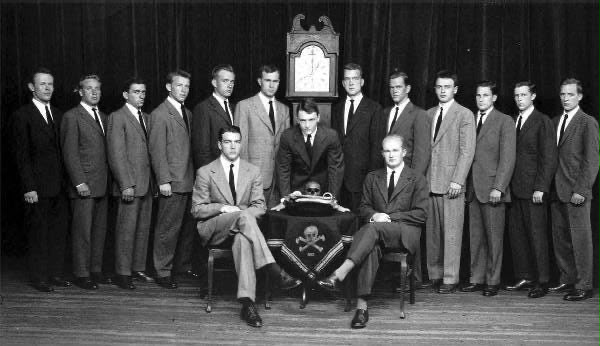
An introduction to the history, traditions, alumni, and public fascination surrounding Skull and Bones.
The Purpose of Skull and Bones
Skull and Bones is a Yale University senior society known for its selective membership, private traditions, and influential alumni. Historically, it has served as an elite collegiate honor and networking society. Its secrecy and symbolism have also made it a frequent subject of public curiosity and conspiracy theories.
Understanding Its Purpose
An Elite Senior Society
Skull and Bones functions as a selective senior society at Yale. Like other collegiate societies, it brings together chosen students and maintains traditions associated with membership, shared identity, and university life.
Friendship and Career Connections
Members can form long-lasting social and professional relationships. Alumni connections may provide opportunities to exchange advice, build contacts, and navigate careers, although outcomes differ from person to person.
Private Rituals and the Number 322
The society's privacy, ceremonial traditions, and use of the number 322 have fueled speculation about its meaning and activities. Symbolism can invite interpretation, but interpretations alone do not establish a hidden political or occult agenda.
Public Figures and Influence
Alumni associated with Skull and Bones include former U.S. presidents George H. W. Bush and George W. Bush, as well as William Howard Taft. The prominence of some members has contributed to public interest in the society and its possible influence.
Skull and Bones Symbols and Traditions
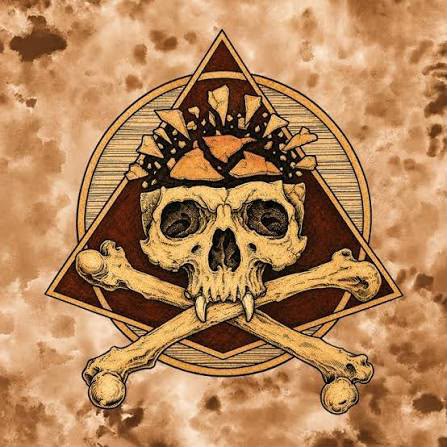
Skull and Bones is known for its distinctive skull-and-crossbones insignia, the number 322, and its historic Yale headquarters, commonly called "The Tomb." These features have contributed to the society's mysterious public image. While some symbolism has historical context, not every interpretation of its symbols or private traditions is independently established.
Three Recognizable Symbols and Traditions
The Skull, Crossbones, and Number 322
The society is widely associated with an emblem featuring a skull above crossed bones and the number 322 beneath it. One popular interpretation connects 322 to 322 BCE, the year traditionally given for the death of ancient Greek orator Demosthenes. The precise meaning of the number remains a subject of discussion.
A Reminder of Mortality
The Latin expression "memento mori" means "remember that you must die." Skulls have long appeared in art, literature, and fraternal traditions as reminders of mortality and the limits of human life. This provides a possible symbolic context, but it does not establish the society's complete interpretation of its emblem.
The Society's Historic Headquarters
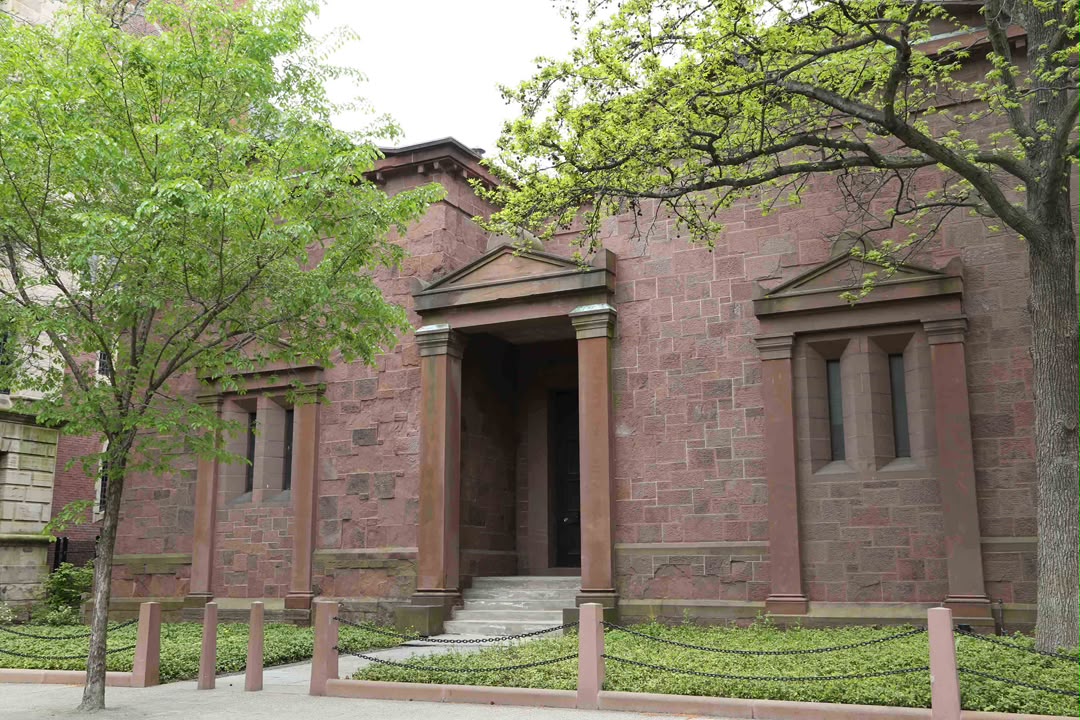
Skull and Bones meets at a distinctive brownstone building at Yale University known as "The Tomb." Its fortress-like exterior and limited public access have helped create an air of mystery around the society. Descriptions of private interior details should be distinguished from information confirmed by reliable sources.
Ceremonies and Shared Identity
Like many collegiate societies, Skull and Bones is associated with private ceremonies and traditions connected to membership. Because these activities are not fully open to the public, outside accounts can differ. Specific claims about rituals should be evaluated carefully rather than assumed to be accurate.
Skull and Bones: Russell Trust Association
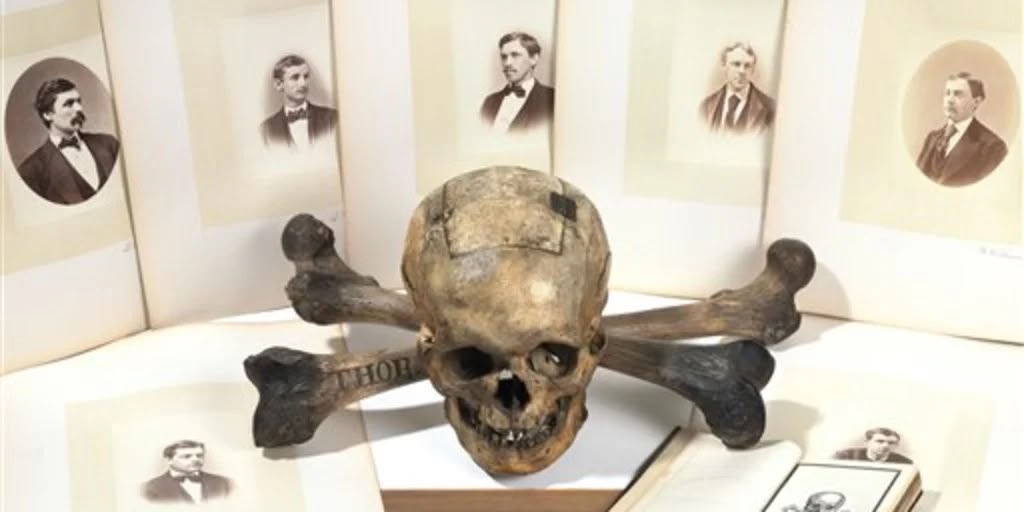
The Russell Trust Association is the legal entity associated with Skull and Bones, Yale University's private senior society. Incorporated in 1856, the association provides a formal organizational structure for managing the society's financial affairs and property. Its documented history offers a useful way to understand the administrative side of an organization known for keeping many of its traditions private.
Key Facts About the Association
Established in 1856
The Russell Trust Association was incorporated in Connecticut in 1856. Historical accounts identify William Huntington Russell as its first president and Daniel Coit Gilman as its treasurer. The incorporation gave the society a formal legal structure.
William Huntington Russell
The association takes its name from William Huntington Russell, who co-founded Skull and Bones in 1832. Russell was an educator and public figure whose role in the society's early history continued through its later incorporation.
Administrative Responsibilities
Historical records describe the association as managing the society's finances and helping maintain its properties. These responsibilities may include buildings, upkeep, and other organizational assets. Specific holdings and current valuations should be checked against the relevant filings.
A Private Retreat
Deer Island, on the St. Lawrence River near New York State, has been associated with Skull and Bones as a private retreat for members. Published accounts describe the property as roughly 40 acres. Its use and ownership arrangements should be distinguished from speculation about the society's wider influence.
Skull and Bones in Popular Culture
Skull and Bones at Yale University has become a familiar reference in popular culture, often associated with elite networks, secrecy, and conspiracy theories. Its prominent alumni and private traditions have inspired filmmakers and television writers to explore fictional stories about exclusive societies, hidden loyalties, and the pursuit of power. These portrayals are entertainment and should not automatically be taken as factual accounts of the real organization.
Where the Society Appears in Entertainment
The Skulls (2000)
The Skulls is a thriller centered on a fictional secret society at an elite university. Its story explores initiation, privilege, loyalty, and dangerous power struggles. Although the film draws on the popular image of exclusive collegiate societies, its plot is fictional rather than a verified account of Skull and Bones.
The Good Shepherd (2006)
Directed by Robert De Niro, The Good Shepherd is a spy drama about the early development of American intelligence and the personal costs of secrecy. The film explores elite networks and secretive institutions, reflecting themes often associated with Skull and Bones and other private organizations.
The Simpsons and Family Guy
Animated comedies such as The Simpsons and Family Guy use satire to poke fun at wealth, privilege, exclusive clubs, and influential insiders. Such stories often exaggerate secret-society stereotypes for humor rather than offering reliable information about real organizations.
Gilmore Girls and the Life and Death Brigade
Gilmore Girls features the Life and Death Brigade, a fictional exclusive group associated with elaborate traditions, privileged members, and extravagant adventures. The group evokes the mystique of elite collegiate societies, but it is not the same organization as Skull and Bones.